A new scientific study has revealed a potentially dangerous ecological relationship between the Western honey bee and myrtle rust, an invasive fungal pathogen threatening Australia’s native forests. Researchers say the interaction may represent a form of “invasional mutualism,” where two introduced species indirectly benefit each other while amplifying environmental damage.
Published in the journal Ecology NeoBiota, the research focuses on the fungus Austropuccinia psidii, commonly known as myrtle rust, which attacks plants from the Myrtaceae family, including eucalyptus and paperbark species that are ecologically significant across Australia. Scientists estimate that nearly 17% of Australia’s endemic vegetation could be at risk from the pathogen.
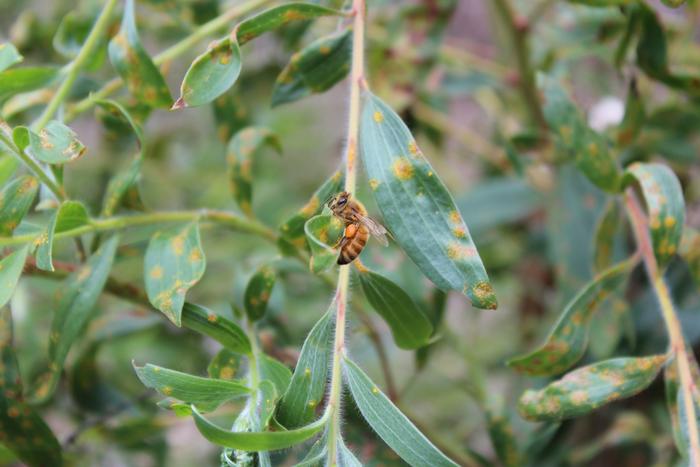
Researchers discovered that honey bees actively collect the fungus’ bright yellow spores in a manner similar to pollen gathering. The spores are then transported back to the hive, potentially allowing the disease to spread far beyond infected areas.
Laboratory tests showed the spores contain high nutritional value, including more than 22% protein and all ten essential amino acids required for bee development. Bee larvae fed with myrtle rust spores developed normally and showed growth rates comparable to bees raised on premium floral pollen diets.
The study’s most concerning finding is that the fungal spores remain viable inside beehives for at least nine days, raising fears that commercial bee transport operations could unintentionally accelerate the spread of the disease across Australia. Commercial hives are routinely moved between agricultural regions for crop pollination, creating a potentially significant biosecurity risk.
According to lead researcher Sacchi Shin-Clayton, the widespread use of managed honey bee colonies in agriculture makes the discovery particularly concerning, especially given the pathogen’s ability to survive within active colonies during transport.
Scientists warn that the phenomenon could trigger a broader ecological imbalance. As myrtle rust destroys flowering native plants, bees may increasingly rely on fungal spores as an alternative food source, potentially accelerating forest decline and disrupting pollinator ecosystems over time.