Researchers from University of Copenhagen have identified 61 previously unknown beetle species in China, highlighting how much of the planet’s biodiversity remains undocumented despite decades of scientific research.
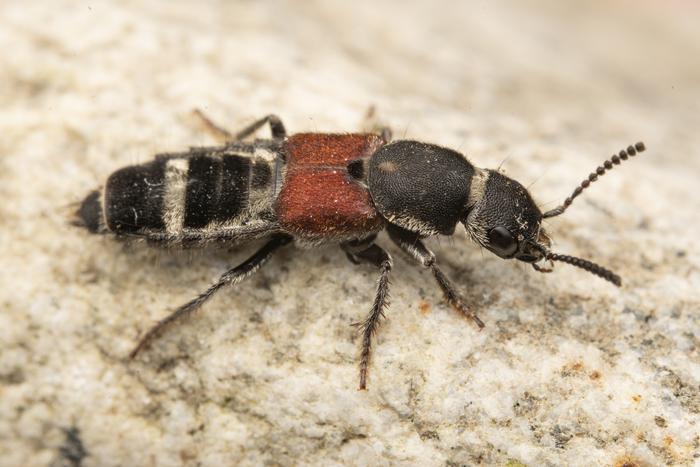
Published in the journal Insect Systematics and Diversity, the study focused on the genus Platydracus, a group of large rove beetles known for their bright colors and wasp-like appearance. Scientists documented more than 100 species in total, with over half of them being entirely new to science.
What surprised researchers most is that these beetles are not microscopic or difficult to spot. Many species are several centimeters long and visually striking, yet they remained unidentified in nature or hidden inside museum collections for decades.
According to Alexey Solodovnikov, the discoveries reveal how incomplete scientific knowledge of biodiversity still is, even for relatively large and visible insects. The study was led by researcher Qinghao Zhao in collaboration with scientists from Shanghai Normal University and the Ottawa Research and Development Centre.
The research also sheds light on what scientists call the “Linnean shortfall,” referring to the massive gap between the number of species formally described by science and the true number of species that exist globally. Researchers estimate that only around 20% to 25% of rove beetle species worldwide are currently known to science.
To conduct the study, scientists combined traditional morphological analysis with modern DNA barcoding techniques. The findings showed that some beetle species can appear visually different while sharing similar genetic markers, while others may look almost identical despite important genetic differences.
Beyond taxonomy, the discoveries are considered important for biodiversity conservation efforts, particularly in Southeast Asia, one of the world’s richest ecological regions. Researchers warn that many species may disappear before they are even identified, especially as habitats continue to face environmental pressure and climate-related threats.