New scientific research has revealed that rising ocean temperatures are rapidly accelerating the disappearance of kelp forests along the coast of Maine, with turf algae increasingly replacing these vital marine ecosystems.
The study, published in the journal Ecology, was conducted by researchers from Bigelow Laboratory for Ocean Sciences and highlights how climate change is reshaping coastal reef environments in the Gulf of Maine.
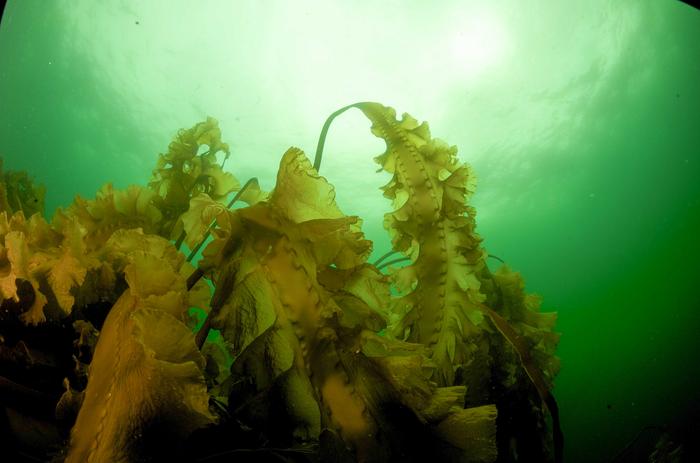
Scientists observed that dense kelp forests, once dominant in the region, are being replaced by low-growing turf algae that spread across reefs like carpets. According to the researchers, this ecological transition has intensified in recent years as warming waters create favorable conditions for invasive and southern algae species moving northward.
Monitoring carried out between 2021 and 2023 across 11 coastal sites showed turf algae coverage increasing by as much as 40% annually in certain areas, with the phenomenon now extending as far north as Penobscot Bay.
Researchers explained that these turf algae ecosystems do not provide the same ecological benefits as kelp forests. Unlike kelp, which offers shelter, stability, and food for numerous marine species, turf algae create smaller and less supportive habitats, potentially disrupting marine food chains and biodiversity.
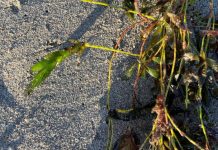
The study also identified invasive species such as Dasysiphonia japonica, originally from the Pacific Ocean, among the algae increasingly dominating Maine’s reefs.
According to senior researcher Doug Rasher, understanding the causes and progression of this environmental shift could help scientists and policymakers develop more effective conservation and coastal management strategies in the future.
The findings add to growing scientific concern over the impact of ocean warming on marine ecosystems and biodiversity worldwide.