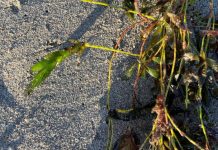
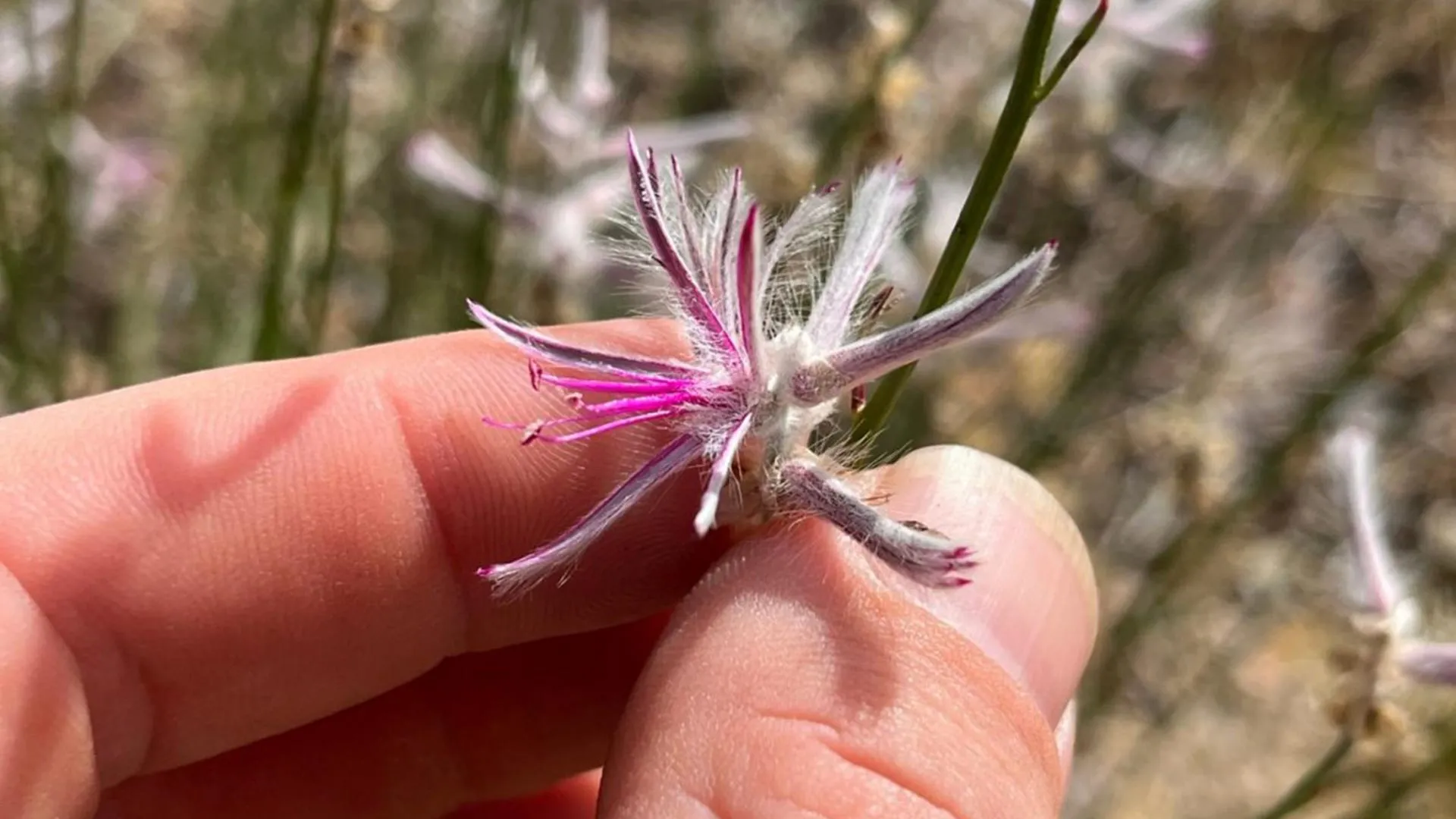
A plant species believed to have disappeared from the wild nearly six decades ago has been rediscovered in remote northern Australia after a chance smartphone photo uploaded to a citizen science platform caught the attention of researchers.
The species, Ptilotus senarius, had not been officially documented since 1967 and was widely considered extinct in the wild. Its rediscovery began when horticulturalist Aaron Bean photographed an unusual shrub while working on a remote property in Queensland and later uploaded the images to the biodiversity platform iNaturalist.
The photos were eventually spotted by botanist Anthony Bean from the Queensland Herbarium, who immediately identified the rare species. Scientists later confirmed that the plant still survives in rugged terrain near the Gulf of Carpentaria in northern Australia.
Researchers described the rediscovery as a remarkable example of how citizen science is transforming biodiversity research and conservation efforts worldwide.
“It was very serendipitous,” said Thomas Mesaglio from the University of New South Wales, who documented the discovery in the Australian Journal of Botany.
Rather than remaining classified as extinct, Ptilotus senarius has now been reclassified as critically endangered, allowing conservation groups and scientists to focus on protecting the species and its fragile habitat.
The discovery also highlights the growing role of platforms such as iNaturalist in scientific research. Millions of users worldwide are now uploading wildlife and plant observations that increasingly contribute to major discoveries, species tracking, and ecological studies.
Scientists say Australia’s vast geography and large areas of privately owned land make citizen participation especially valuable for biodiversity monitoring and conservation research.