Scientists have discovered that certain seagrass species reproduce through sexual reproduction rather than simple cloning, producing genetically unique seedlings that could strengthen the resilience of marine ecosystems. The findings could open new possibilities for restoring damaged underwater meadows and protecting coastal biodiversity.
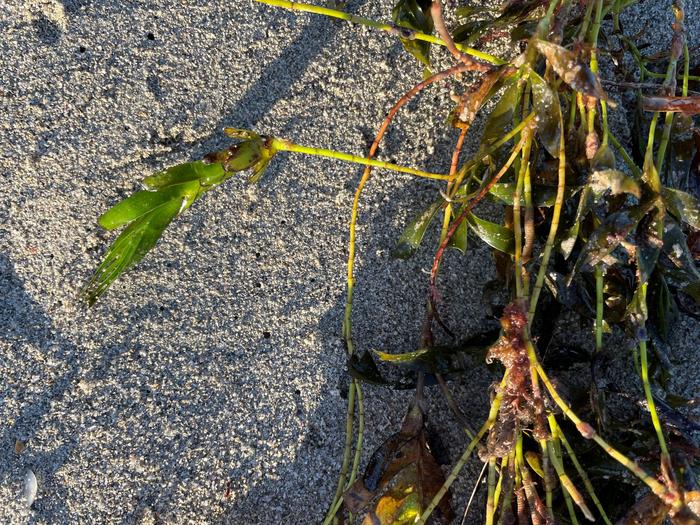
The study, published in Frontiers and led by researchers from Murdoch University, focused on Amphibolis antarctica, a unique seagrass known for “giving birth” to partially developed seedlings instead of releasing ordinary seeds.
Researchers explained that these drifting seedlings are not genetic copies of the parent plant. Instead, they are entirely new genetic individuals created through underwater pollination and fertilization. According to the scientists, this genetic diversity plays a critical role in helping seagrass meadows survive disease, marine heatwaves, storms, and other environmental pressures.
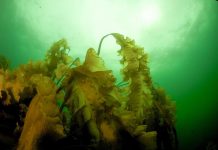
To confirm the discovery, the research team collected male and female seagrass shoots from underwater meadows off the coast of Western Australia and monitored their reproduction both in the ocean and in controlled seawater tanks. Only female plants exposed to male pollen produced seedlings, confirming that sexual reproduction was taking place.
Scientists say the findings could significantly improve future conservation and restoration programs. Instead of relying on cloned plants from a single meadow, restoration projects may now be able to use naturally produced seedlings to create healthier and more genetically resilient underwater ecosystems.
Seagrass meadows are considered essential marine habitats because they provide shelter for fish and invertebrates, help stabilize coastlines, improve water clarity, support marine species such as turtles and dugongs, and store large amounts of carbon in ocean sediments. Researchers warn that protecting the natural reproductive cycle of seagrass will be crucial for maintaining healthy coastal ecosystems in the future.