
Evolution may be far less random than once believed. A study led by University of York in collaboration with the Wellcome Sanger Institute suggests that life has been relying on the same genetic mechanisms for over 120 million years.
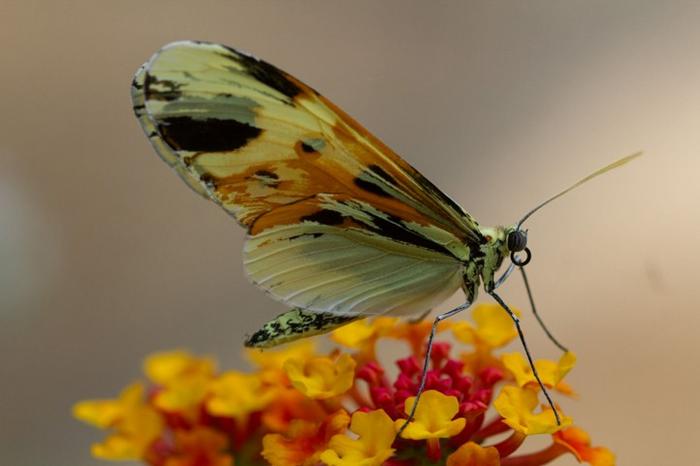
Focusing on butterflies and moths from South American rainforests, researchers observed a striking phenomenon: distantly related species displaying nearly identical wing color patterns. This mimicry serves as a warning signal to predators, indicating that these insects are toxic or unpalatable.
What stands out is not just the visual similarity, but the genetic process behind it. Across seven distinct species, scientists found that evolution repeatedly relied on the same two genes—ivory and optix. Rather than altering the genes themselves, evolution modified the regulatory “switches” controlling when and how these genes are activated.
In moths, researchers identified a different but equally precise mechanism: a segment of DNA flipped in orientation, producing similar visual outcomes. Despite different evolutionary paths, the underlying strategy remains remarkably consistent.
Published in PLOS Biology, the study highlights a form of “genetic reuse” that challenges traditional views of evolution as purely unpredictable. Instead, it suggests that certain evolutionary solutions are so effective that nature returns to them again and again.