
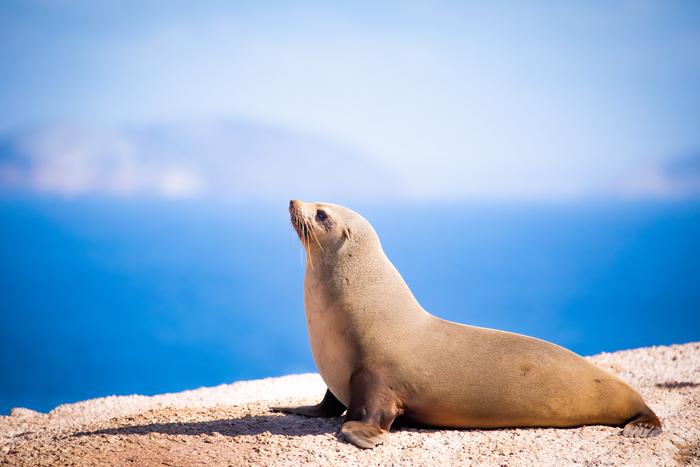
Hours after returning from demanding foraging trips at sea, fur seals don’t simply rest—they undergo an intense physiological recovery phase marked by a sharp rise in heart rate, according to new research published in Frontiers in Physiology.
The study, conducted by an international team of scientists, shows that both Cape fur seals and Australian fur seals experience significant heart rate peaks several hours after coming ashore. These spikes—reaching up to 80 beats per minute—typically occur between six and eight hours after leaving the ocean, suggesting that key recovery processes are delayed until the animals are safely on land.
Diving places extreme demands on marine mammals. During long and deep dives, seals rely on limited oxygen reserves, forcing parts of their body into anaerobic metabolism. This leads to the buildup of lactic acid and potential nitrogen accumulation in the bloodstream—physiological stresses that are not fully resolved while still at sea.
By tracking heart rates continuously across entire foraging cycles, researchers found a clear link between the intensity of activity in the ocean and the level of recovery effort on land. In other words, the harder the seals worked underwater, the greater the delayed physiological response once they returned.
Contrary to previous assumptions that seals recover gradually at the surface between dives, the findings suggest that a substantial portion of their recovery occurs later, onshore. The elevated heart rate likely helps flush out accumulated lactic acid and restore oxygen balance—processes essential for maintaining long-term health and performance.
This discovery reshapes understanding of marine mammal physiology, revealing that recovery from deep diving is more complex and prolonged than previously thought. It also highlights a strategic biological trade-off: seals appear to prioritize feeding and survival while at sea, postponing full recovery until they are back on land.