Researchers from the University of Miami Rosenstiel School of Marine, Atmospheric, and Earth Science have unveiled new findings showing that integrating seaweed into marine fish farming systems could dramatically reduce aquaculture waste while improving sustainability and production efficiency.
The study focused on Integrated Multi-Trophic Aquaculture (IMTA), a model where different marine species are cultivated together in a complementary ecosystem. In this approach, seaweed absorbs nutrient-rich waste generated by farmed fish, transforming excess nutrients into a secondary commercial crop instead of releasing pollutants into surrounding waters.
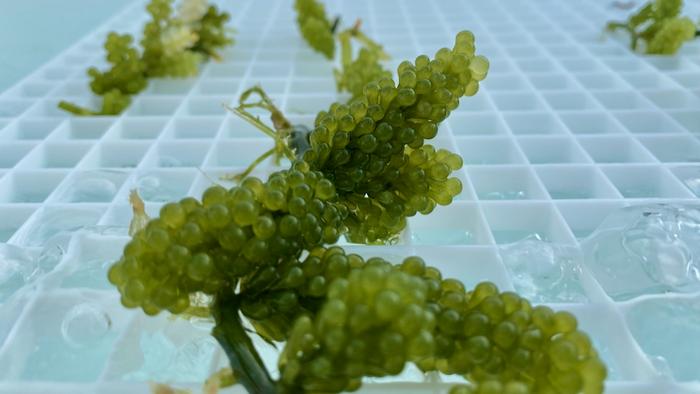
Scientists tested four macroalgae species in a pilot-scale IMTA system installed at the university’s experimental hatchery in Florida. The seaweed was exposed to wastewater from commercially farmed yellowtail snapper in order to evaluate its capacity to remove nitrogen compounds, improve water quality and generate usable biomass. According to the researchers, some seaweed species were able to reduce total ammonia nitrogen to nearly undetectable levels.
Lead author Haley Lasco explained that the findings could help aquaculture producers across the southeastern United States and the Caribbean select the most suitable macroalgae species for future marine farming operations. Researchers believe the model could play a key role in addressing environmental concerns linked to the rapid expansion of aquaculture worldwide.
Beyond waste reduction, the study highlights the economic advantages of combining seaweed and fish production. By generating additional commercial products while improving environmental performance, IMTA systems may offer producers new revenue opportunities and more resilient production models.
Project leader John D. Stieglitz said the research provides a practical framework for aquaculture operators seeking to balance profitability with sustainability. The team argues that integrating macroalgae into marine farming systems could become one of the most effective strategies to reduce the ecological footprint of fish farming while supporting long-term food production.