
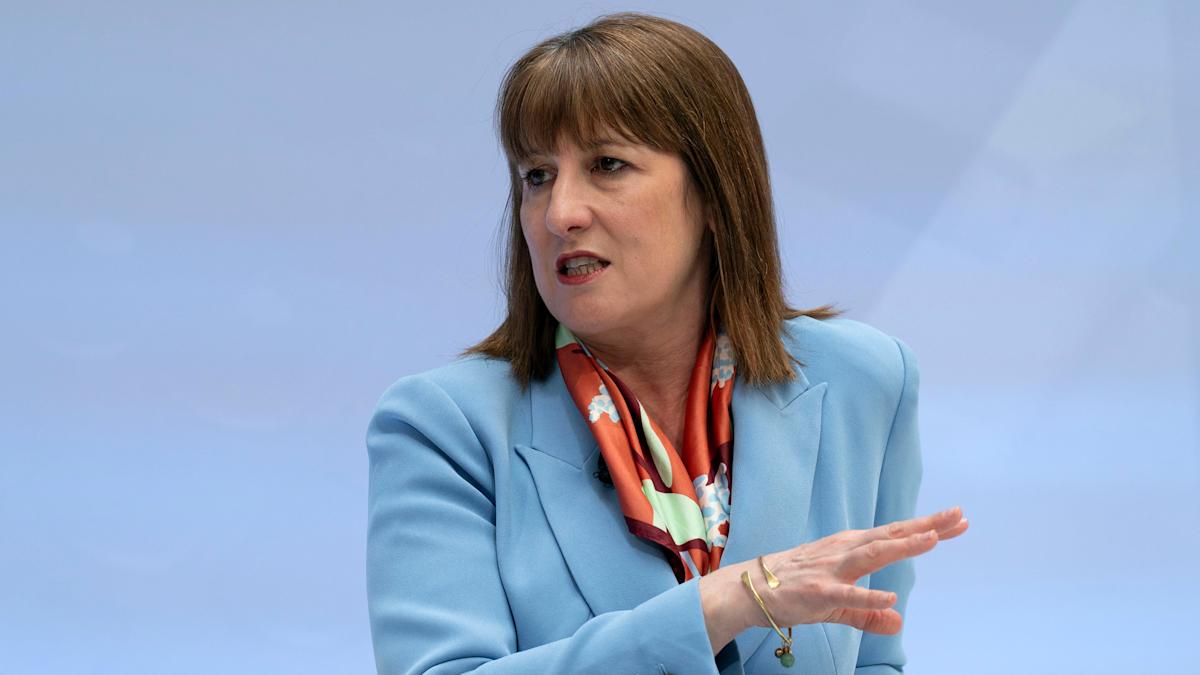
Amid speculation that the UK could be teetering toward a financial crisis reminiscent of 1976, Chancellor Rachel Reeves has taken a firm stance: Britain is not heading for an International Monetary Fund bailout.
The warnings have grown louder in recent months, with top economists flagging concerns over the country’s rising debt burden, high welfare spending, and sluggish economic growth. Some have even suggested the government might face a repeat of the IMF intervention that marked the mid-1970s. Reeves, however, dismissed such claims as “irresponsible” and “talking rubbish.”
In a BBC interview, the Chancellor emphasized that serious economic analysts do not view an IMF rescue as a credible threat. She also pushed back against rumors of planned tax hikes on property or banks, insisting that such measures remain outside her current agenda.
Still, the Treasury faces a delicate balancing act. The Office for Budget Responsibility (OBR) is reviewing whether planned reforms to trade agreements with the US, EU, and India—as well as adjustments to planning regulations—will sufficiently boost growth to avoid further strain on public finances. A downgrade by the OBR could exacerbate a projected £50 billion shortfall.
Critics, including David Aikman of the National Institute of Economic and Social Research (NIESR), argue that the government faces an “impossible trilemma”: meeting fiscal targets, upholding spending promises, and avoiding additional taxes on working citizens. Reeves countered that think tanks have repeatedly misjudged economic projections in the past, asserting that the UK’s fundamentals remain sound despite the warnings.
For now, Reeves is betting that reforms and measured fiscal planning will stave off the need for drastic interventions, framing her approach as cautious but confident. London’s markets, however, continue to watch closely, mindful that sentiment can shift as quickly as headlines.