
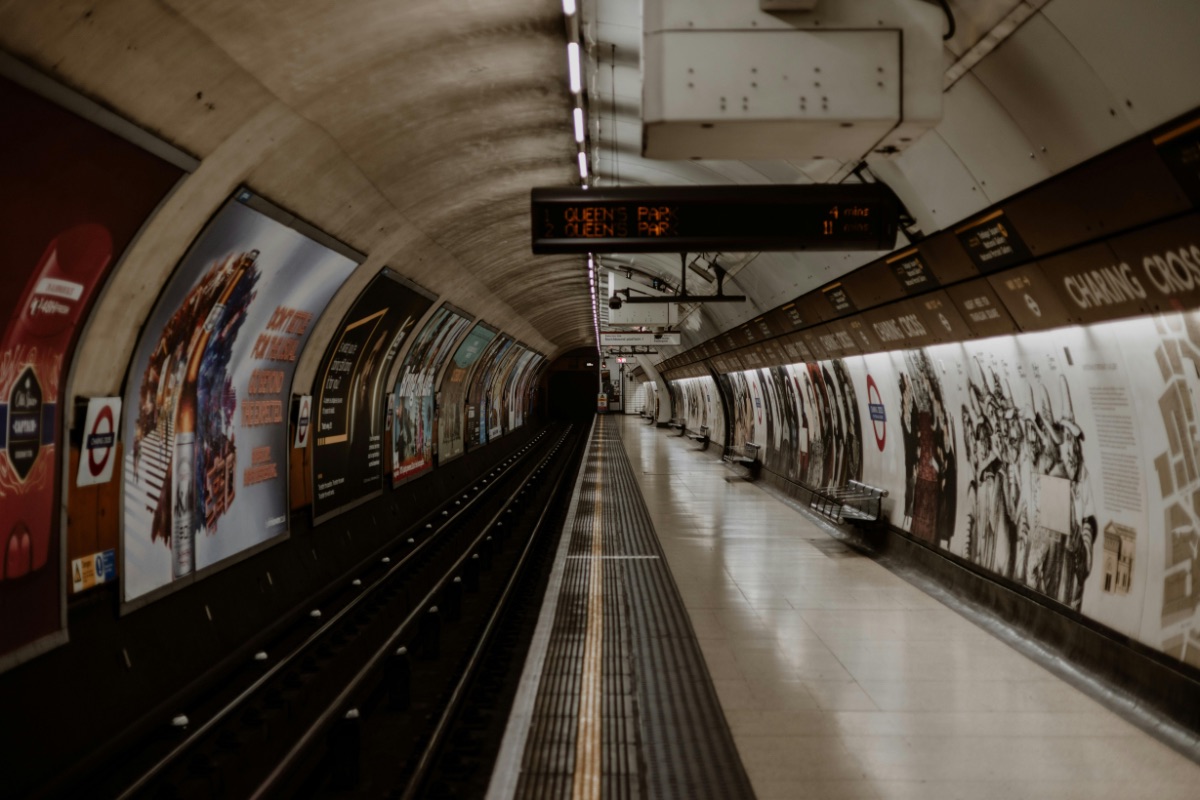
The tunnels of London may fall eerily silent next week as fears mount over a rolling Tube strike set to disrupt the capital’s lifeblood. Transport for London (TfL) and the RMT union have yet to find common ground, with the union demanding a 32-hour working week—a proposal TfL says would cost “tens of millions of pounds.”
For three million Londoners who rely on the Underground daily, the threat is more than an inconvenience. Services could grind to a near-total halt from Monday through Thursday, with staggered walkouts beginning early Sunday. Chiltern Railways has already warned of altered services, meaning commuters from outer London may face a marathon journey into the city.
TfL’s message to its 16,500 staff is clear: resources are better spent on pay increases than cutting hours. Nick Dent, TfL’s director of London Underground customer operations, emphasized that even modest reductions in contractual hours would be “unsustainable” and ineffective at addressing fatigue—the union’s stated concern.
Yet the union remains firm, insisting shorter weeks are essential for staff well-being. Station staff typically work 37.5 hours, with some overtime reclaimed as additional leave, while drivers could soon trial a four-day working pattern on the Bakerloo line—a plan the union surprisingly rejects as voluntary.
The deadlock is compounded by procedural quirks. The RMT’s strike ballot occurred before a proposed 3.4% pay rise was offered, meaning many members voted without knowledge of the increase. Only 57% of eligible Tube staff supported industrial action, leaving questions about the mandate for the walkout.
Mayor Sadiq Khan and TfL have tried to mediate, with past interventions—including a £30 million payout from City Hall reserves—temporarily averting strikes. This time, however, TfL has no immediate plans for further talks, leaving Londoners facing an uncertain commute.
Michael Roberts of London TravelWatch urged both sides to resolve differences swiftly. “Strikes on public transport are a huge inconvenience for passengers. Everyone should check the latest updates and prepare alternative plans,” he said.
With pay, fatigue, and work-life balance at the heart of the dispute, next week could mark one of the most disruptive episodes for London’s transport system in recent years—highlighting the delicate balance between employee welfare and the operational costs of keeping the city moving.