
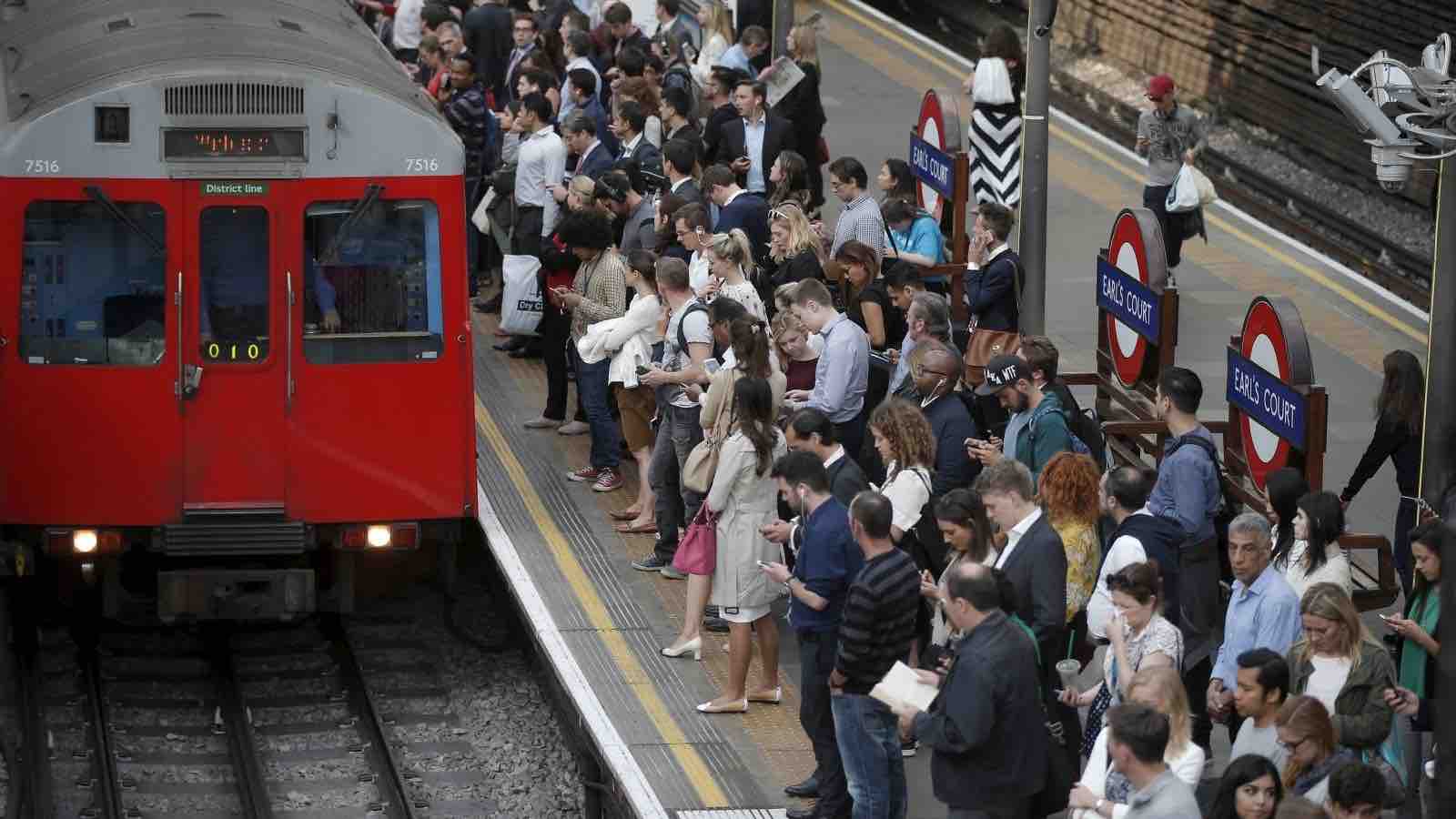
On a damp Monday morning, Londoners spilled out of crowded buses, cycled furiously through gridlocked junctions, and queued for taxis that never seemed to arrive. The iconic Tube map, usually a symbol of seamless connectivity, had become a jigsaw of closures and cancellations. For commuters, tourists, and businesses alike, the capital felt unusually fractured — and the week had only just begun.
The latest wave of industrial action by the Rail, Maritime and Transport (RMT) union has paralysed much of the London Underground, marking one of the most disruptive strikes in recent years. With walkouts staged across different depots and lines between 7 and 12 September, the city’s transport lifeline has been cut to pieces.
Commuters in Crisis
At Liverpool Street, one of the busiest stations in the country, frustrated travellers were turned away by staff apologetically holding up handwritten signs. “No trains, no alternatives — you’ll need to walk or find a bus,” one steward told passengers. The Elizabeth line and London Overground provided a partial safety net, but both were quickly overwhelmed. By mid-morning, delays stretched well past 20 minutes, and rush-hour trains resembled sardine tins on wheels.
For those heading to airports, the chaos deepened. With the Piccadilly line shuttered, Heathrow relied on the Elizabeth line and Heathrow Express, both strained beyond capacity. The Docklands Light Railway, vital for London City Airport, also ground to a halt on two key strike days.
The Union’s Stand
Behind the disruption lies a dispute that has been simmering for months. RMT members argue they are being “worked into exhaustion” through extreme shift patterns and insufficient protections against fatigue. The union is demanding a shorter working week — four days, 32 hours — and stronger safeguards around staff wellbeing.
“The strike isn’t just about pay,” RMT general secretary Eddie Dempsey said on Monday. “It’s about health, safety, and the future sustainability of the workforce. Our members can’t be expected to shoulder the city’s needs at the expense of their own wellbeing.”
With 96 percent of members voting in favour of strike action, the union insists the overwhelming mandate speaks for itself.
TfL’s Response
Transport for London, however, has branded the demands “unaffordable” and “impractical,” pointing to financial pressures across the capital’s transit system. Claire Mann, TfL’s chief operating officer, urged the union to reconsider: “Our pay offer is fair and in line with industry standards. Disrupting millions of Londoners, businesses, and visitors will not resolve this dispute.”
TfL also argued that any reduction in the working week could threaten long-term service levels and further strain the already fragile budget, particularly after pandemic-era losses.
Economic and Cultural Fallout
The strike’s impact extends far beyond crowded platforms. Hospitality leaders estimate losses of over £110 million for restaurants, bars, and hotels during one of the busiest weeks of the year. Major events were also reshaped: Coldplay postponed two Wembley shows, citing transport uncertainty as a risk for tens of thousands of fans.
For businesses reliant on the daily flow of commuters — from cafés around Canary Wharf to shops along Oxford Street — the strike represents more than inconvenience. It is, they argue, a reminder of just how vulnerable London’s economy is to transport disruption.
A City Holding Its Breath
As the week unfolds, the battle lines between union leaders and TfL show little sign of softening. Negotiations collapsed days before the walkouts began, and no new talks are scheduled. For now, Londoners are forced into a daily gamble of buses, bikes, and long walks, while watching carefully for the next announcement.
In a city where the Tube is not just a service but a symbol of identity and mobility, the strikes have revealed a fragile truth: London only works when its Underground does. And until both sides reach common ground, the capital will continue to limp forward on strained wheels and weary feet.