
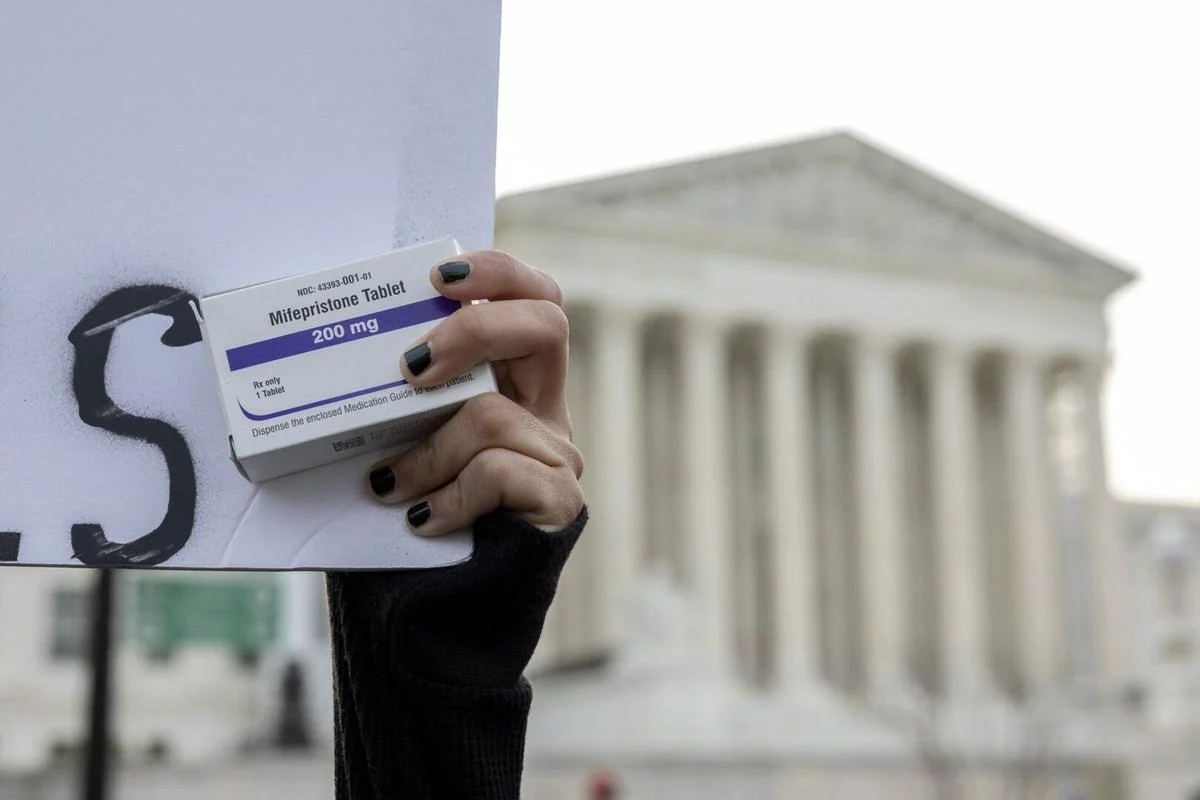
On a hot September afternoon in Austin, the Texas Capitol once again became the stage for a clash that stretches far beyond state lines. Lawmakers voted to advance a bill unlike any in the country — one that empowers private citizens to take legal aim at people in other states who provide abortion pills to Texans. The measure is now headed to Gov. Greg Abbott, setting up another potential legal firestorm in the nation’s ongoing battle over reproductive rights.
A Law Built on Citizen Enforcement
The proposal gives Texas residents the right to sue manufacturers, distributors, or providers of abortion-inducing medication if those pills make their way into Texas. Lawsuits could seek penalties as high as $100,000. Unlike other abortion-related laws, the bill specifies that women who obtain the pills for themselves would not face legal liability.
This reliance on private enforcement echoes a 2021 Texas law that curtailed abortions months before the U.S. Supreme Court overturned Roe v. Wade. That earlier measure allowed citizens to sue anyone who “aided or abetted” an abortion. This time, the scope reaches beyond Texas borders, targeting providers who may never set foot in the state.
Backers and Critics Draw Battle Lines
Supporters argue that the legislation is a necessary tool to uphold Texas’ abortion ban and to deter what they see as the growing underground flow of pills into the state. By cutting off access to medication abortion, they say, Texas can better protect women and unborn children.
Opponents counter that the bill is less about protecting health and more about intimidation. They see it as an attempt to scare out-of-state doctors, telehealth providers, and pharmacies that are otherwise acting legally in their own jurisdictions. Critics also warn that empowering citizens to file lawsuits opens the door to harassment and creates a culture of surveillance.
Pills at the Center of the Debate
Medication abortion has become the most common method in the United States. Even after the Supreme Court ended federal protections for abortion in 2022, the use of abortion pills rose nationwide, fueled by telehealth and shield laws in Democratic-led states. Those laws are designed to protect providers who prescribe pills to patients in places where abortion is banned.
Texas lawmakers are now testing just how far those protections can stretch. The new bill is almost certain to collide with those shield laws, raising questions about jurisdiction and constitutional authority.
Legal Challenges on the Horizon
The measure follows a high-profile case earlier this year in which a Texas judge ordered a New York physician to pay over $100,000 for prescribing abortion pills to a Dallas-area woman. That doctor also faces criminal charges in Louisiana, while New York officials cite their shield laws to resist Texas’ attempts at enforcement.
Legal experts expect similar battles if Abbott signs the bill. Courts will likely be asked to decide whether a state like Texas can reach across borders to penalize actions that are lawful elsewhere.
What Comes Next
If enacted, the law could make Texas the first state to explicitly target out-of-state providers in this way. The move not only raises immediate constitutional questions but also underscores the widening divide between states that restrict abortion and those that safeguard access.
For Texans seeking abortion pills, the landscape could become more precarious. For providers in other states, the message is clear: helping patients in Texas could carry a hefty price.