
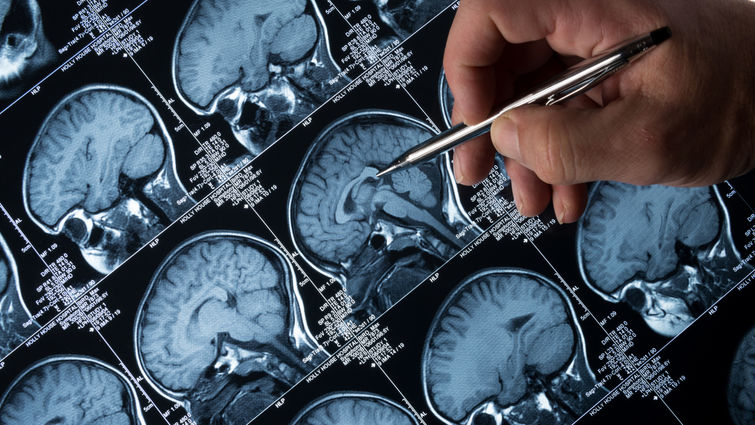
Memory is fragile. For millions worldwide, Alzheimer’s disease slowly erases the threads of past experiences, leaving gaps that no treatment has yet fully mended. But a surprising contender is emerging in the fight against this neurodegenerative disorder: lithium, the same metal known for batteries and bipolar disorder management, may play a quiet yet powerful role in protecting the brain.
For nearly a decade, researchers at Harvard University have been uncovering lithium’s subtle but critical influence on neural health. Unlike the large doses prescribed for psychiatric conditions, the brain depends on tiny, naturally occurring amounts of lithium from our diet. It travels through the bloodstream to neurons, where it appears to act as a cellular guardian, keeping key brain processes in balance.
The new findings highlight a troubling pattern: as cognitive health declines—from mild impairment to full-blown Alzheimer’s—lithium levels in the brain drop. Postmortem analyses reveal that much of the remaining lithium becomes trapped within amyloid plaques, the sticky protein clusters that block neuron communication. This leaves neurons starved of the mineral they need most.
In experimental studies with mice, the consequences of reduced lithium were stark. Animals fed a diet halved in lithium showed accelerated amyloid and tau accumulation, increased brain inflammation, and weakened neuronal connections—the very processes that underpin memory and learning. In genetically engineered mice predisposed to Alzheimer’s-like symptoms, these effects were magnified, leading to poorer performance on cognitive tests.
Central to this cascade is the enzyme GSK3β, which lithium normally regulates. When lithium is low, GSK3β becomes overactive, promoting tau tangles that disrupt the brain’s delicate architecture. Essentially, without lithium, neurons are left defenseless against the toxic proteins that drive Alzheimer’s progression.
Hope comes in a form of lithium orotate, a compound designed to bypass entrapment in amyloid plaques. In mouse models, lithium orotate restored the mineral to where neurons could use it, preventing protein buildup, reducing inflammation, preserving neuronal connections, and even improving memory. While still preliminary, these results suggest that small, physiologically appropriate doses of lithium could act as a preventative shield rather than a reactive treatment.
Beyond Alzheimer’s, lithium appears to support broader brain resilience. It encourages nerve growth, dampens inflammation, and stabilizes key cellular pathways—all essential for healthy cognitive ageing. Its role is not about one molecular target but a symphony of effects that together maintain neural stability.
Yet questions remain. Why do lithium levels fall in certain individuals? Could diet, genetics, or even the natural lithium content of local water influence Alzheimer’s risk? And how might these findings translate to human clinical practice? Researchers caution that what works in mice may not fully replicate in humans, but the potential is too compelling to ignore.
If lithium can indeed be harnessed to maintain the brain’s natural defenses, it may herald a new paradigm in Alzheimer’s prevention—one where a simple, accessible mineral helps protect the mind long before symptoms appear. In a field dominated by high-tech therapies and complex pharmaceuticals, lithium reminds us that sometimes the smallest, most unassuming elements hold the greatest power.