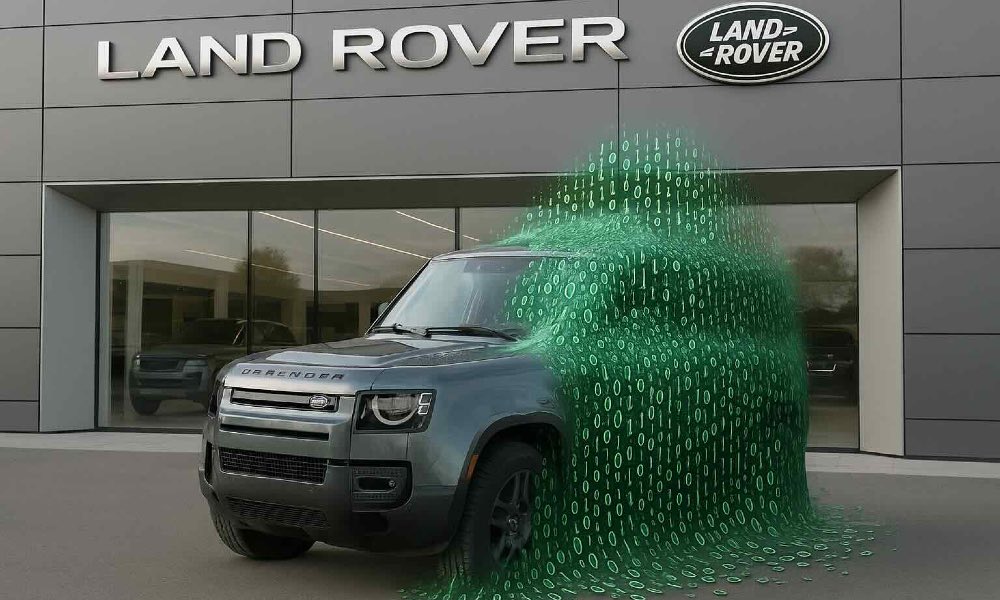
The assembly lines stand still, factory floors quiet, dealerships waiting on deliveries that may not come for weeks. Jaguar Land Rover’s operations have been frozen since early September, the result of a cyber attack that has left Britain’s largest carmaker grappling with both digital chaos and a glaring insurance gap.
What makes the disruption more costly is not just the paralysis of production but the revelation that JLR had not yet secured cyber insurance when the attack struck. According to senior figures in the insurance market, negotiations on a policy brokered by Lockton were still ongoing, leaving the automaker exposed to bearing the full financial weight of the crisis. Insiders describe this as a critical misstep, especially for a company with such sprawling digital infrastructure and reliance on interconnected supply chains.
The fallout has already been severe. Production lines that were halted on September 2 remain suspended, with JLR confirming an extension of the pause until at least October 1. Retail operations have also suffered, with dealerships struggling to meet customer expectations amid the shortage of new vehicles. The disruption ripples beyond JLR itself: suppliers, workers, and retailers dependent on the brand’s output have all been drawn into the uncertainty.
Government officials have intervened in an effort to steady nerves. Business Secretary Peter Kyle and Industry Minister Chris McDonald met with JLR executives to assess the damage and discuss recovery plans. Kyle stressed that “getting JLR back online as soon as possible” was a top priority, framing the incident as both an industrial and national concern. His reassurance reflects the symbolic and economic weight JLR carries for the UK’s automotive sector, which employs hundreds of thousands and remains a cornerstone of the country’s manufacturing base.
Behind the scenes, cybersecurity experts, the National Cyber Security Centre, and law enforcement are working with JLR’s internal teams around the clock. Their task is twofold: contain the breach and ensure the company can restart operations without exposing itself to further attacks. JLR’s public message has focused on resilience and solidarity. “Our focus remains on supporting our customers, suppliers, colleagues and our retailers, who remain open,” the company said, acknowledging the disruption while urging patience.
The broader lesson is harder to ignore. With no cyber insurance locked in, JLR now faces the prospect of absorbing costs that could run into the hundreds of millions, depending on the scope of the attack and the duration of the shutdown. Cyber coverage, once viewed as optional or secondary, has quickly become a lifeline for large organizations navigating an era where digital sabotage can halt physical production.
The episode highlights a vulnerability that extends beyond a single automaker. It raises questions about how prepared major industrial players are for the inevitability of cyber attacks, and whether corporate boards are taking insurance and contingency planning seriously enough. For JLR, a company already balancing the demands of electrification and global competition, the timing could not be worse.