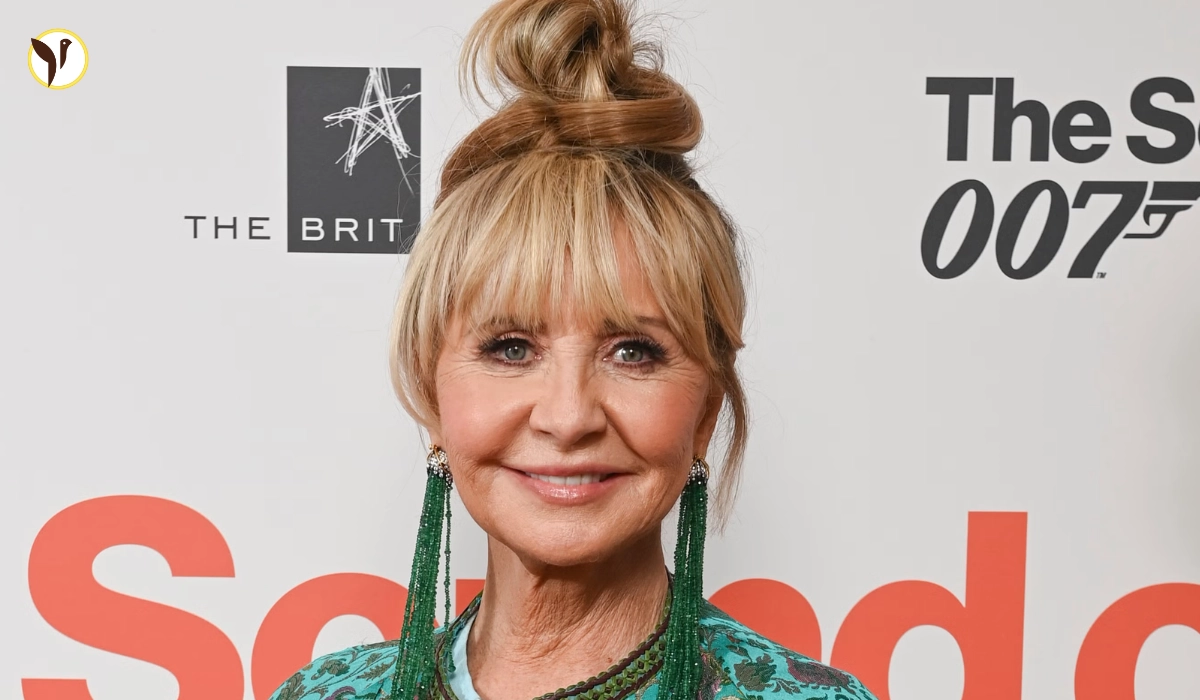
For decades, Lulu embodied resilience. To the public, she was the eternal teenager who belted out Shout in 1964, a voice that carried her into the halls of pop history. She was polished, professional, and seemingly untouched by scandal. But behind the bright lights and flawless performances, another story was quietly unfolding — one that the Scottish singer has now chosen to share.
At 76, Lulu has admitted that her relationship with alcohol nearly destroyed her life. It was not a headline revelation delivered for shock value, but a truth born from years of private struggle, rooted in pain far older than her fame.
Childhood Shadows
Lulu grew up in Glasgow’s Dennistoun, where home was often anything but safe. Violence between her parents, both heavy drinkers, set the tone for her earliest memories. Therapists later told her she had lived in “a war zone,” and the scars of those years lingered long after she escaped.
“I always wanted to be Miss Perfect,” Lulu said in a recent interview. “I was terrified of becoming like my father.” That desire for control — to be the opposite of what she witnessed — shaped not only her career but also her silence.
The Secret Years
Despite being surrounded by glamour and celebrity circles — from The Beatles to David Bowie — Lulu carried her trauma privately. Fame offered escape, but it also added pressure. Being watched, judged, and idolised made vulnerability feel impossible.
By her sixties, however, the balance tipped. Menopause, the loss of her parents, and the emptiness left by a quiet home all collided. What began as a manageable habit became a consuming dependency. “It had been controllable until I got into my sixties,” she admitted. “Then it just got worse.”
Breaking the Silence
The turning point came in 2013, at a family lunch marking her 65th birthday. Lulu confessed to her sister, Edwina, that she could no longer stop drinking. Even close friends who were themselves in recovery had never suspected her secret. “I was a secret drinker,” she said. “Nobody knew.”
The very next day, she boarded a flight to Arizona and checked into the Meadows clinic, a rehabilitation centre she had turned to once before. This time, alcohol was the culprit — and the threat.
Recovery and Reckoning
In therapy, Lulu confronted the root of her addiction: the violence she had witnessed as a child. Diagnosed with complex PTSD, she began the long process of untangling past from present. That work led to forgiveness — not erasure of what happened, but a refusal to let it define her anymore.
She now attends regular Alcoholics Anonymous meetings in London, living a quieter life with her cockapoo, Fudge, and staying close to her son Jordan and her grandchildren. “We understand each other so well,” she said of Jordan. His support, she added, gave her the courage to continue her recovery openly.
A Different Kind of Honesty
For Lulu, speaking out is not about tarnishing her legacy, but about living truthfully. “Lulu was always squeaky clean,” she reflected. “But I’m not ashamed to say I’m an alcoholic. I’m glad I’m in recovery.”
That perspective has reshaped her later years. Retired from touring since 2024, she is still creating music and has projects planned for the next three years. More importantly, she says she has never felt more connected to her emotions or more at peace.
“The thing about drink,” she explained, “is that you become the worst part of who you really are. Music saved my life, but so did recovery. It gave me back myself.”
Beyond the Spotlight
Lulu’s revelation adds another layer to her storied career. She is not just the teenager who made the world dance, nor just the star who crossed paths with legends. She is also a woman who carried trauma, stumbled into addiction, and chose to fight her way back.
In the end, her story is not about alcohol but about resilience. It is about what happens when survival becomes silence, and how breaking that silence can set you free.