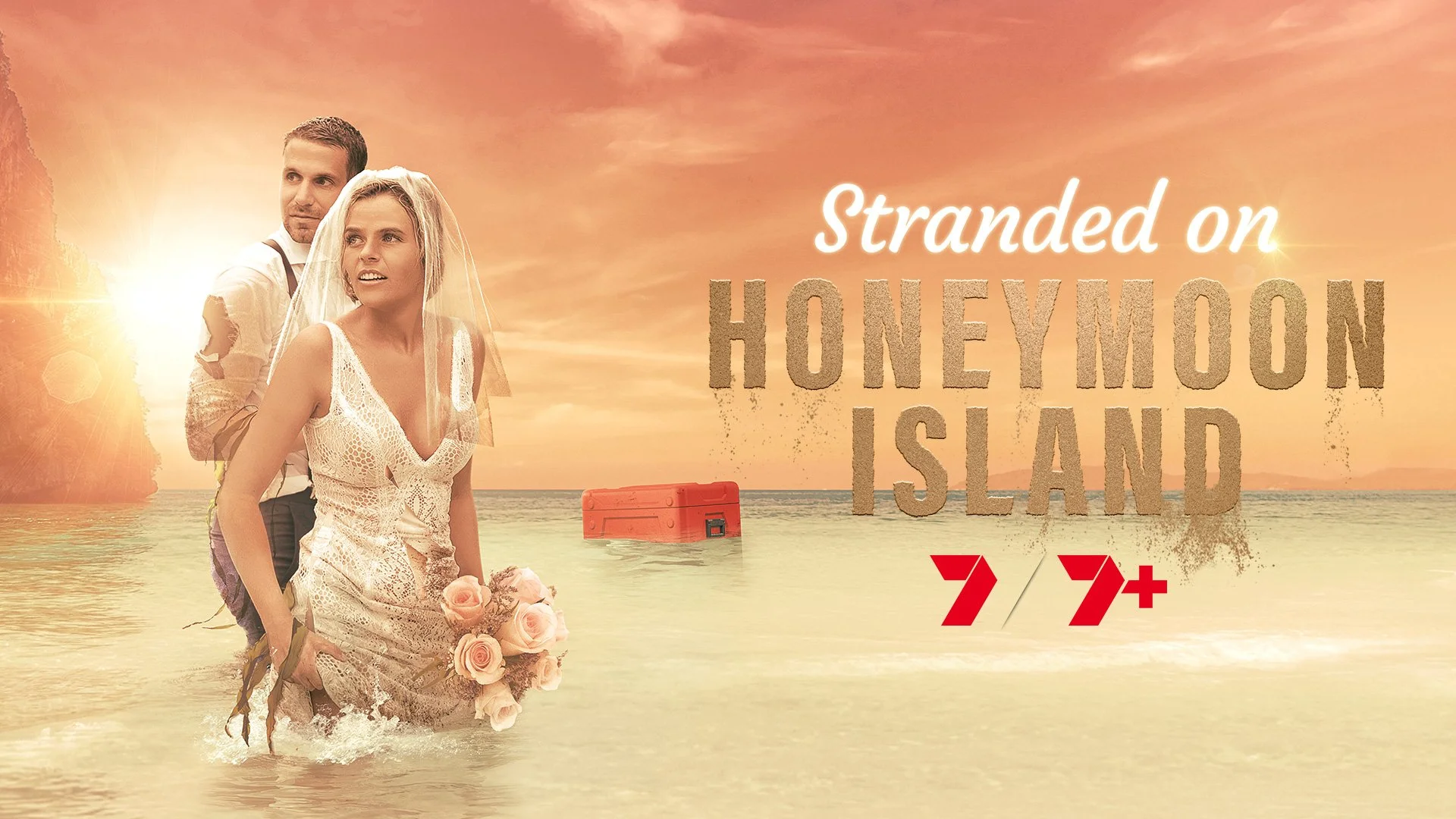
It starts like the plot of a beach novel: strangers in wedding clothes, barefoot on the sand, thrust together on a remote island with nothing but a bed, a generator, and a gazebo to keep them company. But this isn’t fiction. It’s Stranded on Honeymoon Island, the BBC’s bold new gamble in the reality dating space — and it has already sparked waves of skepticism from viewers who suspect they’ve seen it all before.
A Familiar Experiment in a New Setting
The show pairs up twelve strangers who, after a whirlwind speed-dating event, agree to marry at the edge of a tropical pier before being abandoned on a deserted stretch of the Philippines. For the next three weeks, the newlyweds must navigate survival, intimacy, and compatibility in equal measure. It’s an unusual blend: half survival challenge, half relationship experiment.
But for many audiences, the setup feels less like innovation and more like repackaging. Comparisons to Love Island, Married at First Sight, and even Love Is Blind flooded social media within minutes of the show’s debut. One viewer quipped it was “basically skipping the drama and heading straight to the honeymoon stage,” while another complained the formula was “reality TV déjà vu.”
Why the BBC Is Betting on Romance in Paradise
Behind the scenes, the motivation is clear. ITV’s Love Island has dominated the ratings and social conversation for years, while E4’s Married at First Sight UK continues to draw committed fans. For the BBC, traditionally cautious in the dating-show arena, Stranded on Honeymoon Island is an attempt to carve out its own corner of the genre.
A TV insider explained the network’s thinking bluntly: “The BBC doesn’t want to mirror Love Island. What it wants is a format that captures the same buzz — that steamy, escapist appeal — but with its own twist. This show may just be that.”
Couples Under Pressure
The first set of couples highlights the experiment’s unpredictability. Marketing manager Hannah and fashion entrepreneur Sam, radio presenter Helen and sports coach Abby, and recruitment consultant Mae with property developer Moray all seemed optimistic when introduced. But optimism is one thing — surviving together under sweltering conditions with limited resources is another.
Stripped of luxuries and social distractions, the couples face a fast-track reality check: learning not just about each other’s quirks but also how well they cooperate when the sun burns, the mosquitoes bite, and the isolation sets in.
Viewers Demand More Than Just a Mash-Up
Despite the glossy production and Davina McCall’s seasoned hosting, the backlash suggests that audiences are craving originality. Reality dating shows thrive on drama, chemistry, and cliffhangers — but if they feel like carbon copies, even the most dramatic vows can ring hollow.
“Why can’t TV channels come up with something genuinely new?” one frustrated fan asked online. It’s a fair question in a landscape saturated with exotic villas, tense ceremonies, and carefully edited love stories.
What Comes Next
BBC executives appear confident. Reports suggest that they are already considering a second season, banking on curiosity and word-of-mouth to build momentum. Whether the show earns staying power will depend not only on sparks between the couples but also on whether viewers begin to see it as more than just “Love Island with wedding rings.”
For now, Stranded on Honeymoon Island straddles an uncertain line: part experiment in human relationships, part survivalist spectacle, and part echo of the reality-TV hits that came before it. The question is whether audiences are ready to commit — or whether they’ll decide this is one marriage of ideas best left at the altar.