
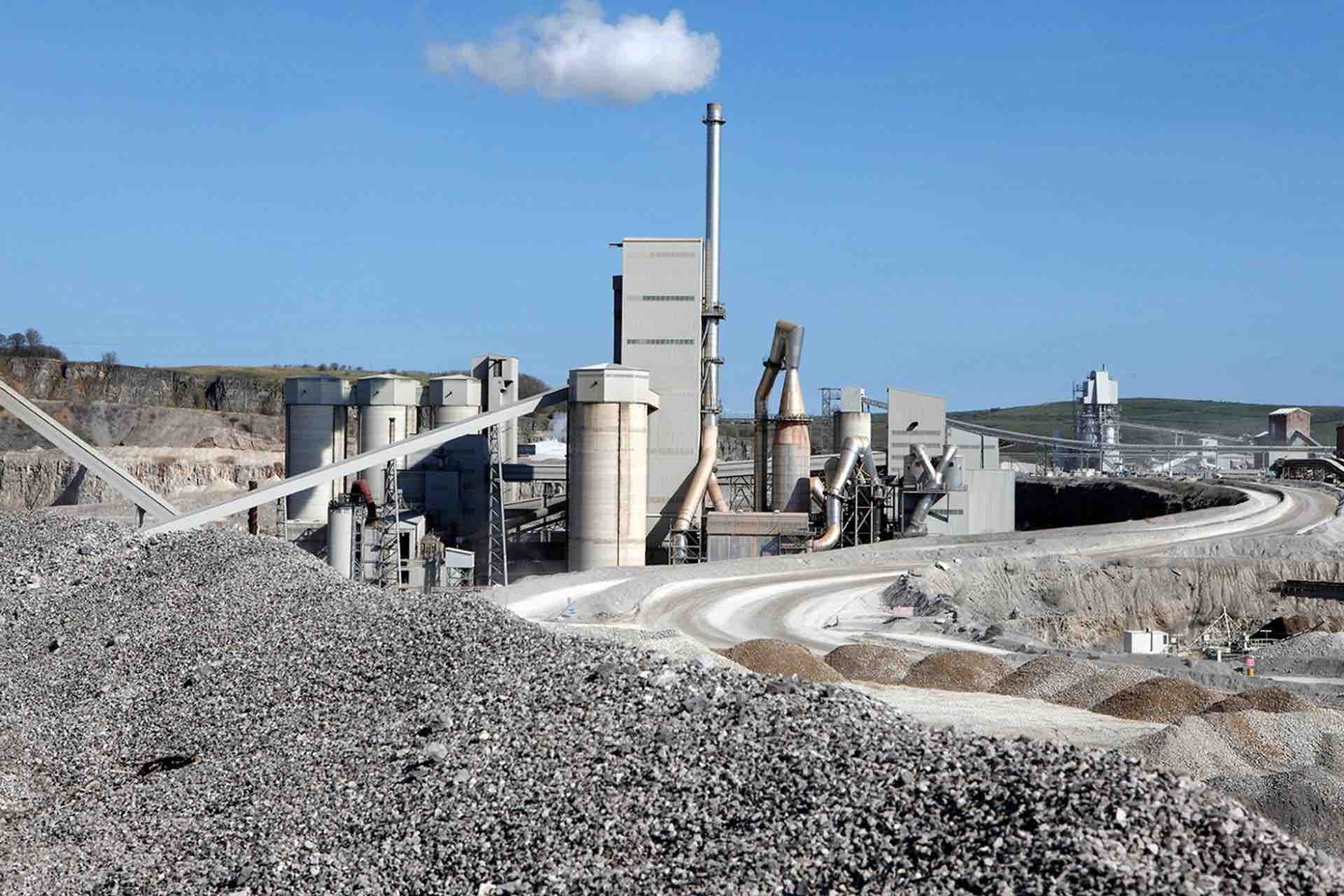
The hum of machinery in Britain’s cement plants is quieter than it has been in decades, and experts warn that this silence could reverberate far beyond factory walls. Cement production in the UK has plummeted to its lowest level since 1950, putting at risk the government’s ambitious housebuilding and infrastructure plans.
Concrete, the backbone of modern construction, cannot exist without cement. Yet last year, UK manufacturers produced just 7.3 million tonnes—half of the amount made in 1990 and reminiscent of the post-war rationing era. The Mineral Products Association (MPA) says soaring energy bills, strict carbon regulations, and labour pressures have conspired to drive domestic production down, while cheaper imports steadily eat into the market.
“This isn’t just about factories—it’s about homes, hospitals, bridges, and power plants,” said Dr Diana Casey, MPA executive director. She highlighted the scale of projects at risk: Sizewell C, the UK’s new nuclear plant, could require 750,000 tonnes of cement, while a single four-bedroom house needs three to five tonnes. “If production continues to decline, government targets for housing and infrastructure are at serious risk.”
The housing plan is ambitious: the Labour government aims to build 1.5 million new homes in England by 2029. In parallel, Chancellor Rachel Reeves pledged £725bn over the next decade for infrastructure maintenance and new construction. But stalled projects, rising building costs, and labour shortages are compounding the problem, leaving small builders scrambling for cheaper materials.
Energy costs are a particular pressure point. Cement manufacturing is energy-intensive, and the UK’s high electricity prices make domestic production less competitive compared with imported alternatives. The MPA notes that imported cement now accounts for nearly a third of the market—a figure that has nearly tripled since 2008.
The Department for Business and Trade insists support is coming through its Industrial Strategy and the Supercharger scheme, designed to cut energy costs for eligible firms. Yet industry experts warn more decisive action is needed to level the playing field for local producers, protect jobs, and safeguard the country’s construction future.
With 40% of UK cement production concentrated in the Peak District, the trade body fears both regional economies and the national housebuilding agenda could face disruption if current trends continue. The quiet in the factories may soon echo across building sites, leaving the government’s growth and housing targets on shaky ground.